AI-based solutions for the construction sector: Innovative products for designing and constructing
Make It Digital
AI
Series: Make It Digital AI-02
Article 03/26
AI-based solutions for the construction sector: from automated MEP design to high-precision reality capture
The landscape of AI-based solutions is expanding rapidly, ranging from automated Mechanical, Electrical, and Plumbing (MEP) design to high-precision reality capture. The digital transformation of the construction industry is currently transitioning from static Building Information Modeling (BIM) toward an integrated "Cognitive Construction" ecosystem. While 2025 recorded a benchmark $6.57 billion in construction technology investments, the strategic focus has shifted: 64% of this capital is now allocated to productivity-enhancing tools, specifically AI and automation. Building upon our previous analysis of digital twin foundations, we now examine frontier products—from generative MEP engineering to multi-agent design support—that are addressing the industry’s most persistent labor shortages and efficiency bottlenecks.
The evolution of generative design and BIM optimization
The design phase represents the critical leverage point for both carbon and cost reduction, where AI-driven generative design is redefining architectural and engineering boundaries. A significant advancement in this field is represented by Clev.ai, an AI-based solution specifically designed to streamline the BIM authoring process. By automating repetitive modeling tasks and facilitating data-driven decision-making within the BIM environment, Clev.ai enables designers to reduce technical overhead and focus on architectural quality, ensuring that complex information models remain consistent and optimized throughout the project lifecycle.
In the field of structural optimization, Autodesk Forma has deployed a cloud-based AI platform that enables real-time environmental analysis. By processing complex datasets—including wind patterns, solar radiation, and acoustic levels—the system allows designers to evaluate thousands of iterations in seconds. This ensures that a building’s massing and orientation are optimized for passive energy performance long before groundbreaking.
Structural efficiency is further enhanced by computational pioneers such as Hyperganic. Their AI-driven algorithmic engineering enables the creation of complex, 3D-printable structural components that mimic trabecular biological structures. These elements are engineered through "functional gradients," where material density is strategically allocated only where mechanical stress requires it. This produces high-performance components that utilize up to 40% less material than traditional concrete or steel casting.
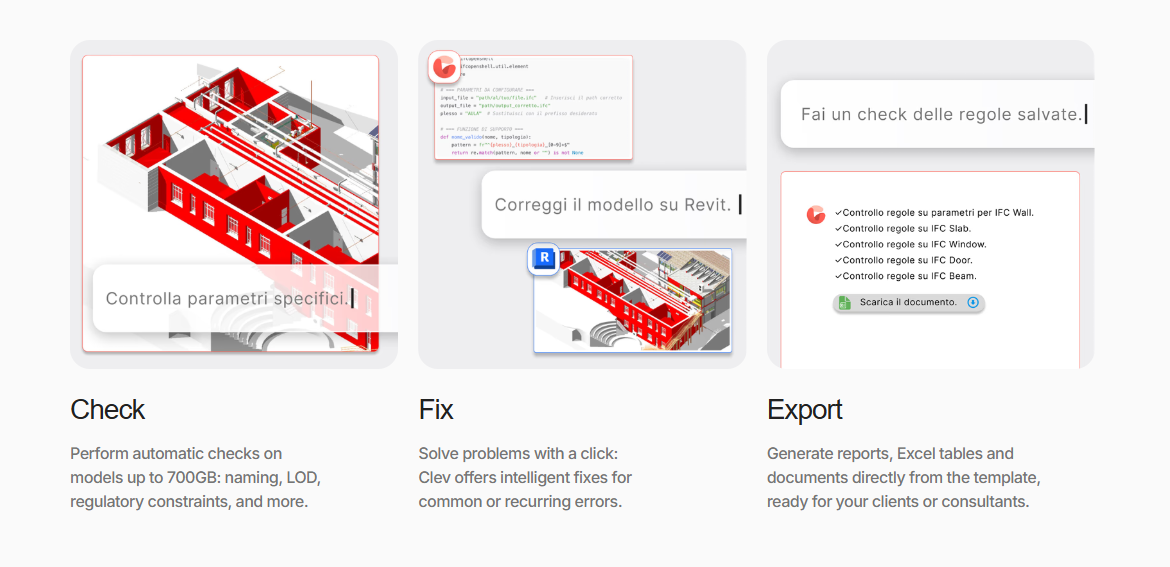
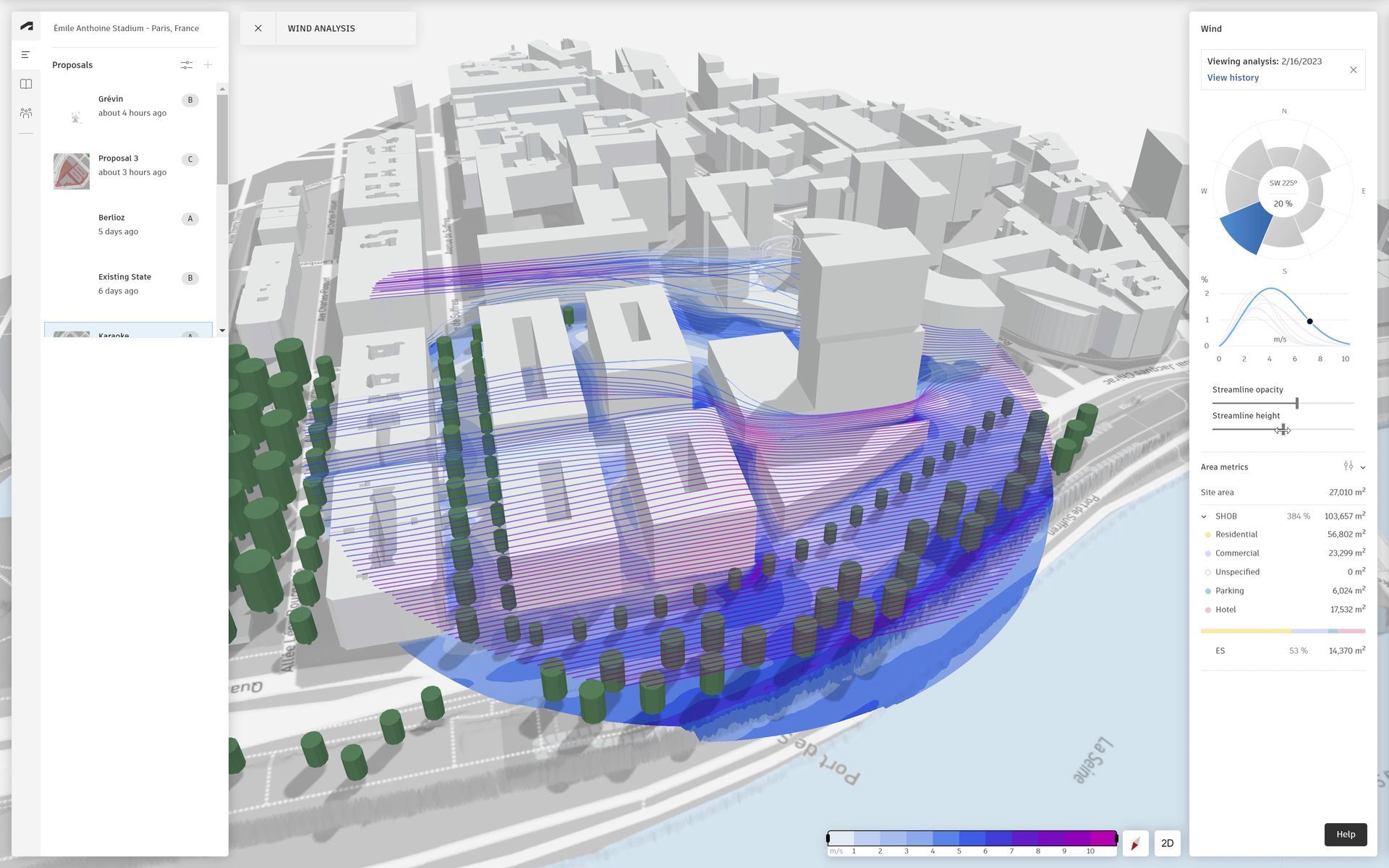
Fig. 1 | Clev AI copilot for BIM (credit Clev)
Fig. 2 | Autodesk Forma (credit Autodesk)
The design and coordination of MEP systems has traditionally consumed up to 80% of total engineering hours in complex projects. This systemic bottleneck is now being addressed by "hybrid AI" platforms. Endra.ai has recently demonstrated the potential for 70x efficiency gains by synthesizing Large Language Models (LLMs) with high-fidelity 3D simulation. By integrating directly with Autodesk Revit, these systems compress design timelines that previously spanned months into hours. For the AEC sector, this represents a paradigm shift: the capacity to deliver validated, high-fidelity preliminary designs during initial stakeholder consultations, fundamentally transforming competitive pricing models.
AI-driven site management and robotic assembly
Innovation is no longer confined to the digital drawing board; it is actively reshaping the physical construction site through computer vision and autonomous systems. Site monitoring is being redefined by platforms like OpenSpace, which leverages AI-powered photo documentation. Using 360-degree cameras integrated into field safety gear, computer vision algorithms automatically map site imagery to BIM models. This creates a temporal "Street View" of construction progress, enabling automated quantity tracking and the early detection of structural deviations, thereby mitigating costly rework.
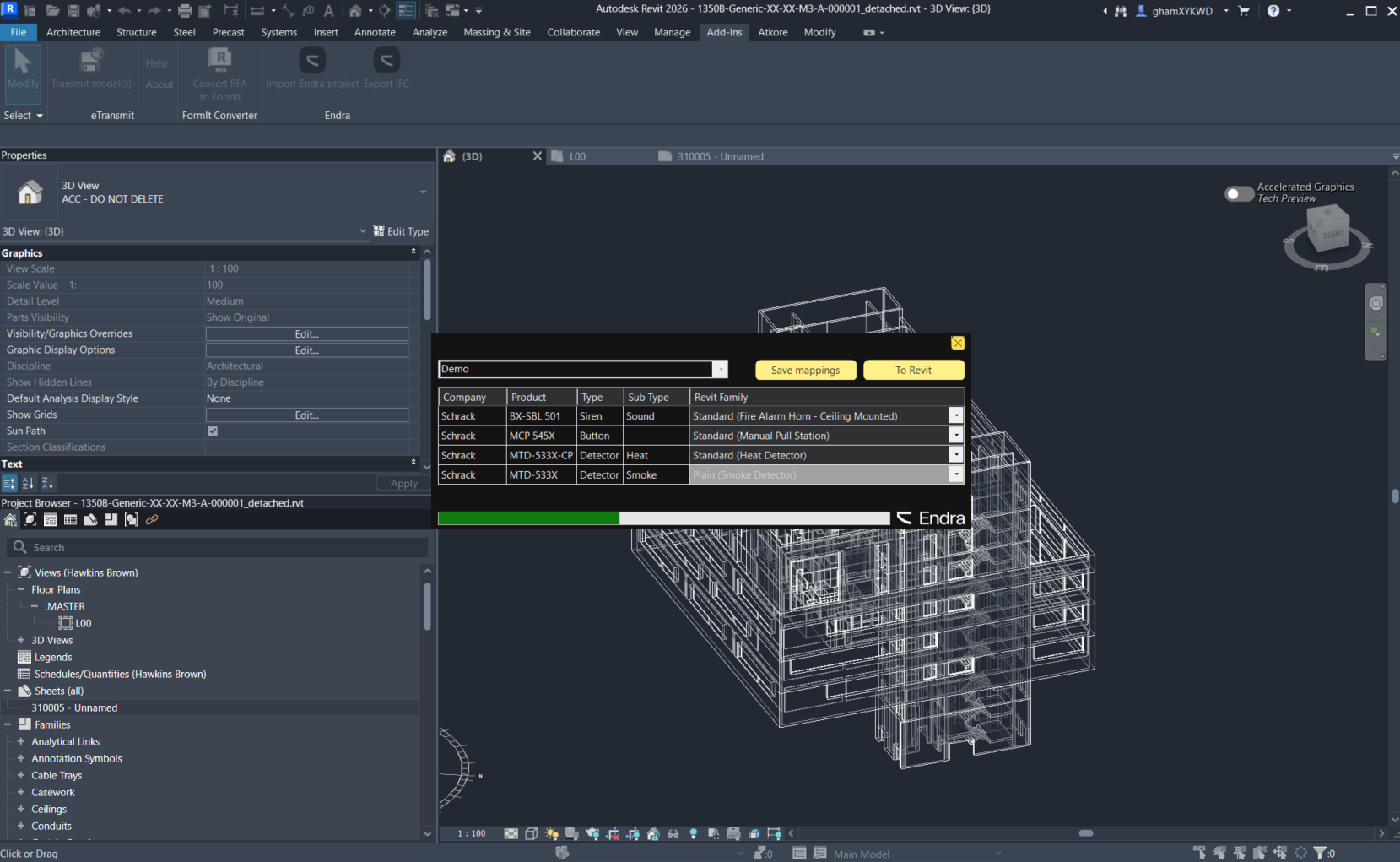
Fig. 2 | Endra.Ai platoform (credit: Endra)
In the domain of robotic assembly and autonomous heavy machinery, Built Robotics is pioneering the "Exosystem," an AI-based integration kit that converts standard excavators into fully autonomous units. Utilizing LiDAR, GPS sensors, and deep learning models, these machines execute complex trenching and foundation tasks with millimeter precision. This autonomy not only enhances site safety by removing personnel from high-risk zones but also optimizes fuel consumption through algorithmic path planning, reducing the environmental impact of earthmoving operations.mating one of the most repetitive and hazardous tasks in the industry, the system ensures superior structural integrity while significantly accelerating the installation of vertical transport infrastructure.
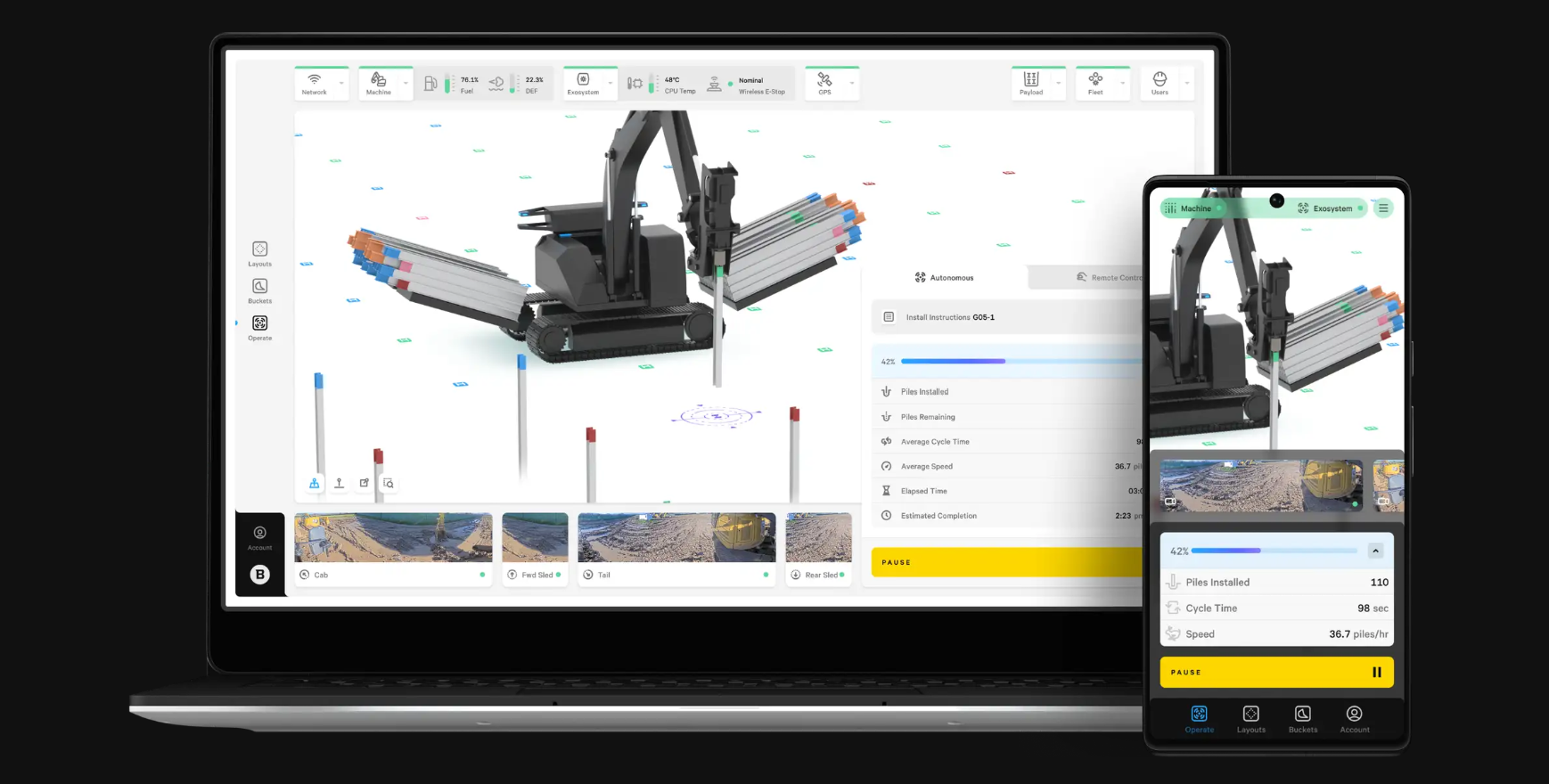
Fig. 3 | Exosystem by Built Robotics (credit: Build Robotics)
Conclusion
The AI-based products currently available demonstrate that digital intelligence has evolved from a peripheral tool into a core component of the modern construction value chain. From the generative algorithms of Hyperganic to the autonomous systems of Built Robotics, these solutions provide a proactive response to the industry's dual challenges of productivity and sustainability. By integrating machine learning and predictive analytics across the project lifecycle, the sector can achieve a synergistic benefit: maximizing material efficiency while minimizing human and environmental risk. At Levery, we view the adoption of these intelligent, data-driven systems as a fundamental requirement for a precise, resilient, and decarbonized built environment.
References
https://clev-eng.framer.website/
https://www.autodesk.com/it/products/forma/overview
https://www.endra.ai/
https://www.builtrobotics.com/technology
CALL FOR ACTION
Start your AI journey today with Levery and transform your construction projects or your building products into energy-generating, future-ready buildings. Let’s work together to create buildings that benefit people, enviroment and economic.
Contact us now to discuss how we can help you integrate AI solutions into your next project and drive the shift toward a greener future.