By AP
•
April 3, 2025
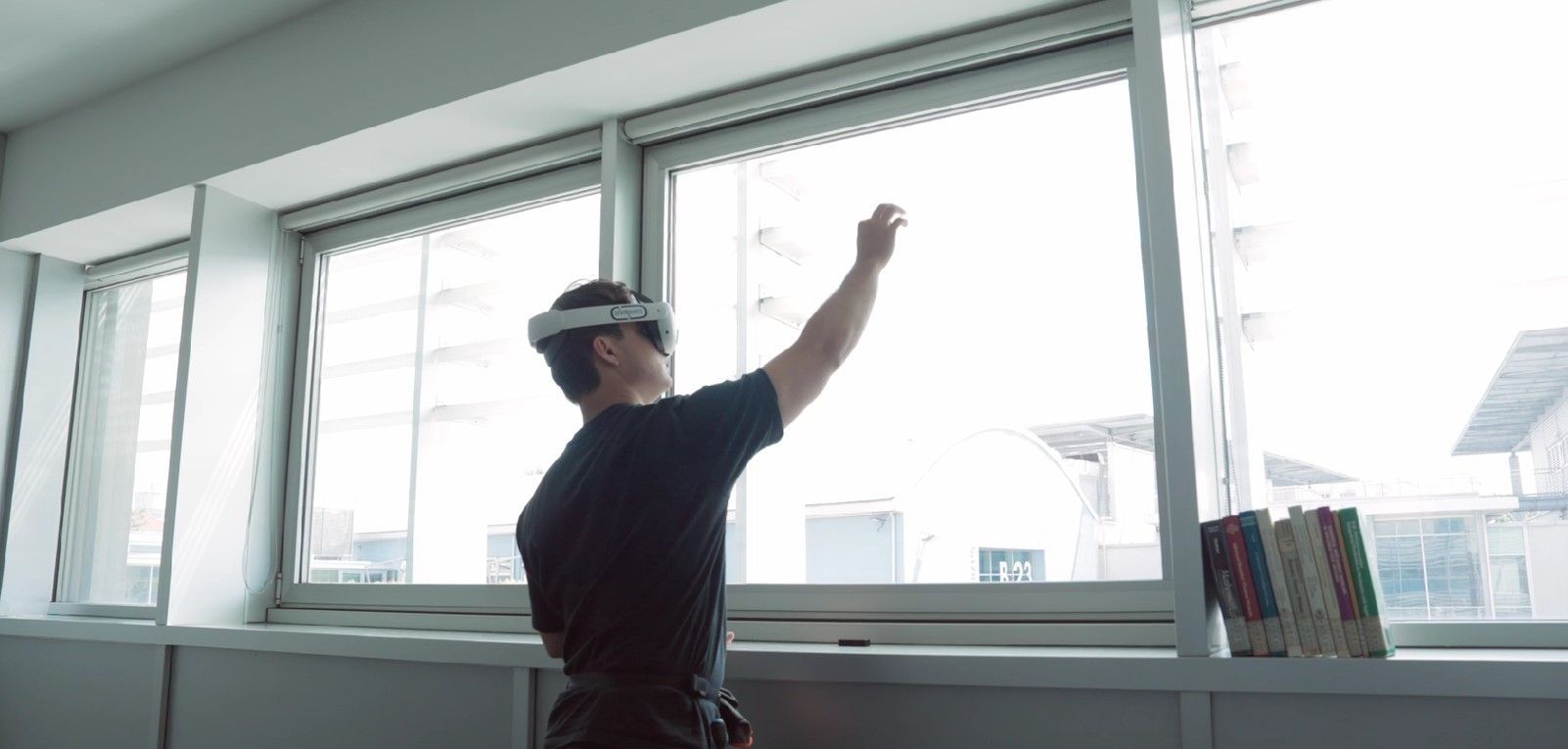
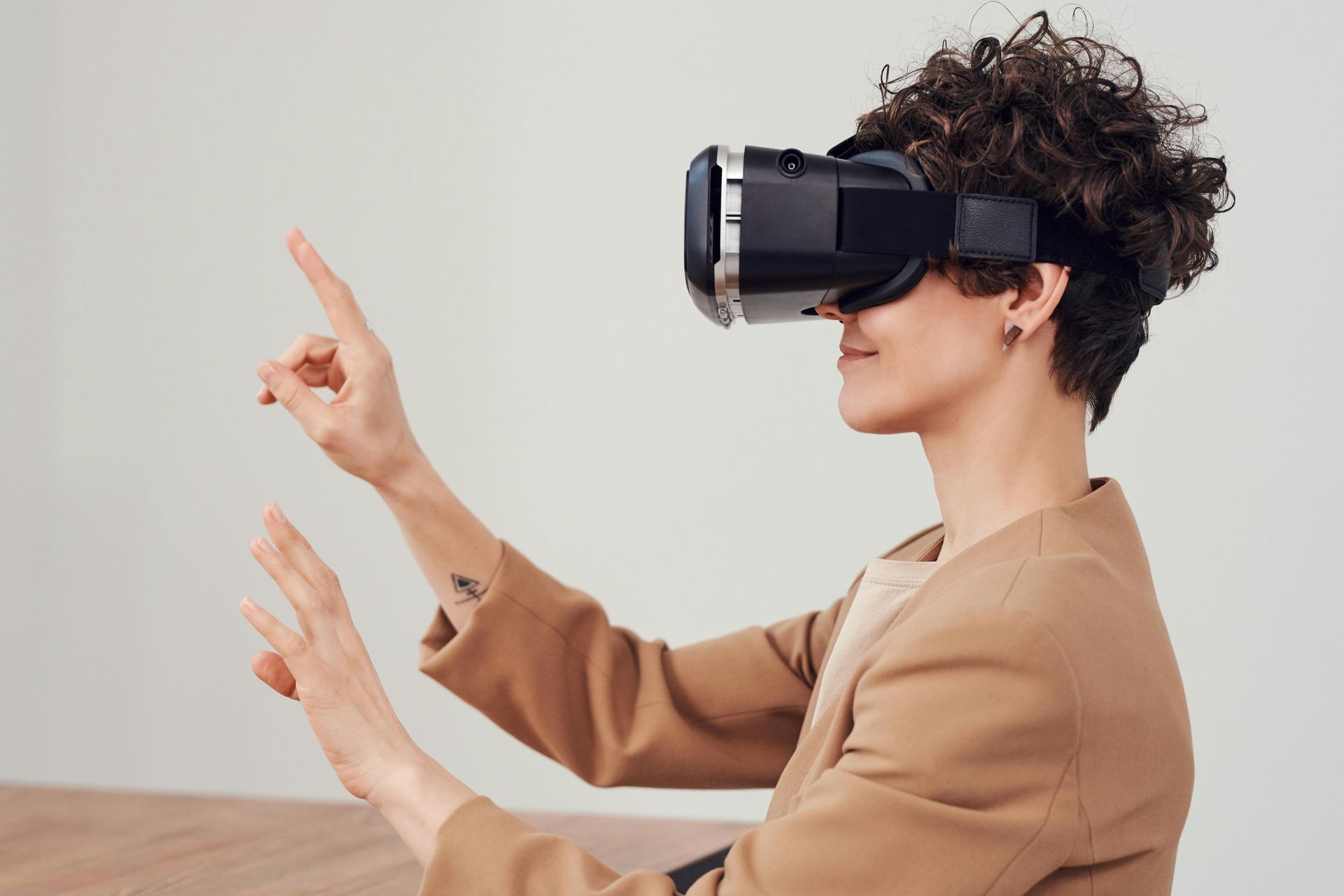
Make it Human Extended Reality (XR) in Construction: Transforming Design, Building, and Operation Series: Make It Human - XR-02 Article: 04/25 Introduction The construction industry, long characterized by traditional methods, is undergoing a significant transformation driven by technological advancements. Extended Reality (XR) technologies are poised to redefine every stage of the construction lifecycle. XR, an umbrella term encompassing Virtual Reality (VR), Augmented Reality (AR), and Mixed Reality (MR), blends the physical and digital worlds to create immersive and interactive experiences. From initial design conceptualization to the intricacies of on-site construction, the complexities of end-of-life processes, and the ongoing demands of operation and maintenance, XR is emerging as a powerful tool for enhancing accuracy, fostering collaboration, bolstering safety, and improving overall efficiency. The increasing adoption of these immersive technologies across the Architecture, Engineering, and Construction (AEC) industry signals a fundamental shift towards a more digital and intuitive future. Companies at the forefront of XR technologies are revolutionizing workflows, reducing errors, and enhancing decision-making across the entire building lifecycle. Case Studies Transforming the Construction Sector: Virtual Prototyping and Immersive Collaboration The initial phases of any construction project, particularly design, are critical for setting the stage for success. XR technologies offer a paradigm shift in how designs are visualized and experienced. By enabling stakeholders to step into a full-scale, immersive 3D environment of the proposed building or infrastructure, XR overcomes the limitations of traditional 2D blueprints and static renderings that can often be challenging for non-technical audiences to interpret. This capability fosters a deeper understanding of spatial relationships, scale, and aesthetics, leading to more informed decision-making and reduced misunderstandings. The transformative power of XR extends beyond the design phase into the dynamic environment of the construction site itself. Augmented Reality, in particular, plays a crucial role in providing on-site workers with real-time guidance, enabling them to visualize digital information overlaid onto the physical construction environment. This capability enhances accuracy in installations, facilitates progress monitoring, and improves communication between on-site teams and remote experts. The adoption of XR in operation and maintenance offers numerous benefits. It improves efficiency and accuracy in maintenance tasks by providing real-time data and step-by-step instructions. Enhanced training for complex procedures can be delivered in a safe and virtual environment, leading to a more competent workforce.2 Remote assistance and collaboration capabilities allow for faster troubleshooting and resolution of complex repairs, reducing downtime.3 Predictive maintenance can be facilitated through the visualization and analysis of real-time data.1 Ultimately, these advantages contribute to reduced downtime, lower operational costs, and extended lifespans for buildings and infrastructure. Unity – Custom XR Development for AEC Applications Unity is a powerful real-time 3D development platform that enables architects, engineers, and construction professionals to create immersive XR applications tailored to their specific needs. With Unity, stakeholders can build VR walkthroughs, AR overlays, and MR simulations to visualize projects at full scale before construction begins. Its capabilities extend to lighting analysis, spatial awareness, and integration with BIM models, improving decision-making and reducing errors. By allowing teams to interact with a digital twin of their project, Unity enhances collaboration and accelerates design approvals, ultimately reducing costly modifications during later stages. HoloBuilder – Real-Time Remote Construction Monitoring HoloBuilder revolutionizes site monitoring by offering a 360-degree photo documentation platform powered by AI and AR. Site managers and stakeholders can track progress remotely, compare real-time conditions with design models, and streamline issue detection. The platform seamlessly integrates with Autodesk and Procore, enabling automatic updates and historical tracking. Construction teams benefit from enhanced transparency, reduced rework, and improved quality control. By bridging the gap between virtual and physical job sites, HoloBuilder ensures efficient project execution and helps maintain project timelines and budgets.